
Youth Education
Empowering children with knowledge about food systems, sustainability, and environmental stewardship through experiential learning.
Learning Comes Alive in the Garden
Our education programs integrate Science, Technology, Engineering, and Math (STEM) with environmental education, creating meaningful connections between classroom concepts and real-world applications.
Education That Takes Root
At Gettin 2 Da Rootz, we believe the best learning happens when children can see, touch, and experience concepts firsthand. Our education programs use the garden as a living laboratory where abstract ideas become tangible discoveries.
Research from the Smithsonian Science for Global Goals initiative and the National Environmental Education Foundation shows that environmental and garden-based education significantly improves academic outcomes, critical thinking skills, and civic engagement among youth.

STEM in the Garden
Every garden activity becomes an opportunity for STEM learning, making abstract concepts concrete and memorable.
Science
Plant biology, ecosystems, composting, photosynthesis, water cycles, and the scientific method through experiments.
- Soil testing and analysis
- Plant growth experiments
- Pollinator studies
- Composting science
Technology
Modern farming tools, data collection methods, weather monitoring, and technology's role in sustainable agriculture.
- Weather station monitoring
- Growth data tracking
- Digital garden mapping
- Research documentation
Engineering
Garden structures, irrigation systems, tool design, and problem-solving through building and construction.
- Raised bed construction
- Irrigation design
- Trellis building
- Compost bin engineering
Math
Measurements, yield calculations, budgeting, spacing, and data analysis using real garden scenarios.
- Seed spacing calculations
- Harvest yield tracking
- Budget planning
- Garden area measurements
Educational Benefits
Our approach develops well-rounded learners prepared for success in school, career, and community life.
STEM Learning
Real-world application of science, technology, engineering, and math concepts through hands-on garden and environmental activities.
Environmental Science
Understanding ecosystems, sustainability, climate awareness, and our responsibility to care for the planet we share.
Life Skills Training
Problem-solving, critical thinking, time management, and goal-setting skills that transfer to all areas of life.
Leadership Development
Project management, mentoring younger students, teamwork, and taking initiative in community projects.
Career Exploration
Exposure to careers in agriculture, nutrition science, environmental science, education, and community development.
Community Engagement
Service learning, civic responsibility, and understanding how individual actions impact the broader community.
What Children Learn
Our education curriculum builds knowledge and skills progressively, meeting children where they are developmentally.
STEM Integration
Hands-on science experiments, data collection, hypothesis testing, and connecting classroom concepts to real-world applications.
Environmental Science
Exploring ecosystems, water conservation, biodiversity, pollinators, and our role in environmental stewardship.
Life Skills Training
Developing essential skills for success in school, work, and life through garden-based learning activities.
Leadership Development
Building confidence, communication skills, and the ability to lead and inspire others in community projects.
Research-Based Curriculum
Our educational approach draws from leading research and nationally recognized programs.
Educational Foundations
We integrate best practices from leading educational frameworks:
- Smithsonian Science for Global Goals: Connecting garden learning to UN Sustainable Development Goals
- NEEF Greening STEM: Environmental education that enhances academic achievement
- FoodSpan (Johns Hopkins): Understanding food systems and their impact on health and environment
- Farm to School Network: Connecting students with local food systems through education
Next Generation Science Standards
Our activities align with NGSS, helping students master required science concepts through engaging, hands-on experiences in the garden.
Social-Emotional Learning
We incorporate SEL competencies throughout our programs, developing self-awareness, relationship skills, and responsible decision-making.
Our Age-Based Programs
Education is woven throughout all our programs, with age-appropriate learning activities for every stage.

Little Sprouts
Sensory garden exploration and basic planting activities for our youngest gardeners.
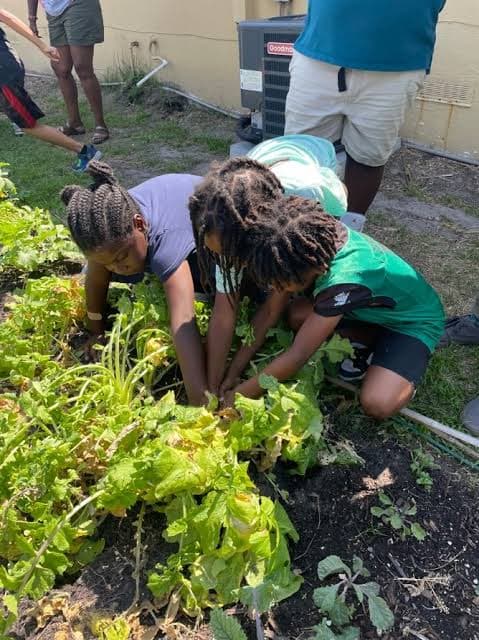
Garden Explorers
Hands-on gardening, cooking basics, and nature education for elementary-aged children.
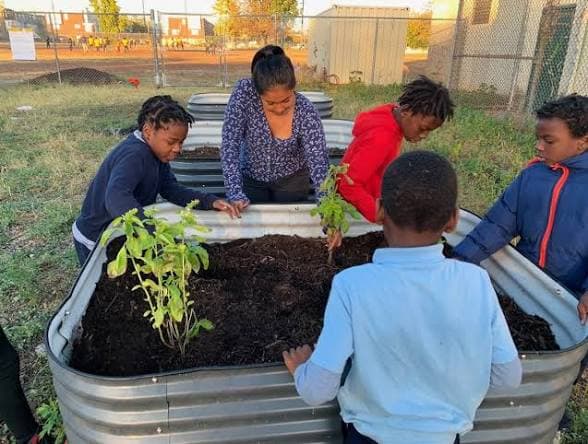
Young Farmers
Advanced gardening techniques, entrepreneurship, and community leadership training.
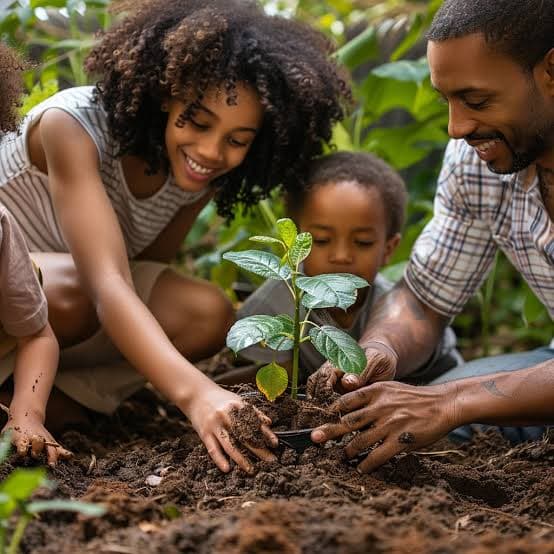
Family Garden Days
Weekend workshops bringing families together to learn and grow.
Explore Our Other Focus Areas
Education connects all our pillars, creating integrated learning experiences.
Gardening
Teaching children the joy and importance of growing their own food from seed to harvest.
Learn moreNutrition
Educating families about healthy eating and preparing nutritious meals from garden-fresh ingredients.
Learn moreLocal Food
Building community capacity for local food production and improving food security.
Learn moreJoin Our Growing Community
Subscribe to receive gardening tips, program announcements, seasonal recipes, and stories from our community of young gardeners.
We respect your privacy. Unsubscribe at any time.
Invest in Future Leaders
Your support helps us provide transformative educational experiences to hundreds of children each year. Help us cultivate the next generation of scientists, environmentalists, and community leaders.